


 Boiling, Chilled, & Sparkling
 King Series Water Purifiers
 Water Filters
 Reverse Osmosis Water Filters
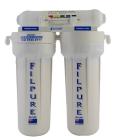 Alkaline Filters
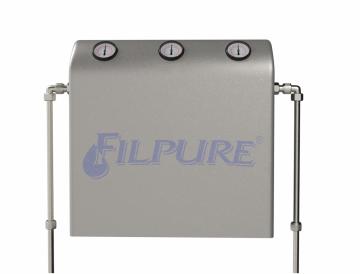 Whole House Water Filters
 Water Dispensers & Bubblers
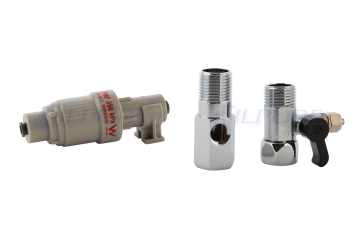 Filter Cartridges & Parts
 Faucets & Mixers

Water supplied to homes in Sydney is treated to meet safety guidelines, however it commonly contains disinfectants such as chlorine and chloramine, as well as trace contaminants including fluoride, microplastics, and heavy metals. While these are regulated, many households are now choosing advanced filtration to further improve water quality, taste, and long-term health outcomes.
This guide explains how these contaminants are reduced using carbon block filtration and reverse osmosis, and why combining both with a complete whole house water filtration system provides the most comprehensive protection.
Understanding Common Contaminants in Sydney Drinking Water
Chlorine
Chlorine is widely used to disinfect drinking water. According to Sydney Water, chlorine ensures microbiological safety but can affect taste and odour.
Chloramine
Chloramine is a more stable disinfectant formed by combining chlorine and ammonia. It persists longer in the distribution system but is harder to remove than chlorine.
Fluoride
Fluoride is added to drinking water to help prevent tooth decay. The National Health and Medical Research Council (NHMRC) confirms that water fluoridation is considered safe at regulated levels, although some households prefer to remove it for personal reasons.
Microplastics
Microplastics are tiny plastic particles increasingly detected in drinking water worldwide. The World Health Organization (WHO) notes that while current evidence is limited, ongoing research is assessing potential long-term health effects.
How Carbon Block Water Filters Remove Chlorine and Chloramine
Advanced Filtration Mechanism
• Adsorption: Chlorine molecules bind to the carbon surface
• Catalytic reduction: Breaks down chloramine into less harmful components
• Mechanical filtration: Captures sediments and particles
The United States Environmental Protection Agency (EPA) confirms that activated carbon is highly effective for reducing chlorine and improving taste and odour.
Why Carbon Block Is Superior
• Higher density than granular carbon
• Longer contact time with water
• Improved chloramine reduction capability
This makes carbon block filtration ideal for whole house systems where large volumes of water need to be treated efficiently.
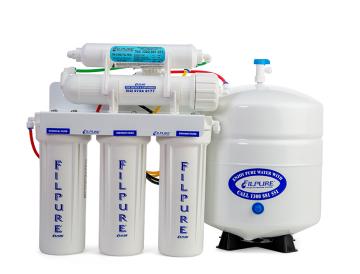
Filpure Platinum 5 Stage Reverse Osmosis System
The Filpure Platinum 5 Stage Reverse Osmosis system provides advanced purification for drinking water, designed to remove a wide range of contaminants including chlorine, chloramine, fluoride, microplastics, and heavy metals.
How Reverse Osmosis Works
1. Stage 1 – Sediment Filtration: Removes dirt, rust, and particles
2. Stage 2 – Carbon Filtration: Reduces chlorine and chloramine
3. Stage 3 – Advanced Carbon: Further chemical reduction
4. Stage 4 – RO Membrane: Removes dissolved contaminants including fluoride, heavy metals, and microplastics
5. Stage 5 – Post Filter: Final polishing for taste and purity
According to the EPA treatment technologies overview, reverse osmosis membranes can remove a broad spectrum of contaminants at very high efficiency.
Contaminants Reduced by Reverse Osmosis
• Fluoride
• Chlorine and chloramine (via pre-filtration)
• Heavy metals such as lead and arsenic
• Microplastics and fine particles
• Dissolved solids and chemical residues
How Microplastics Are Removed
Microplastics vary in size, but many are larger than the pore size of reverse osmosis membranes.
• Carbon filtration captures larger particles
• RO membranes act as a physical barrier for ultra-fine particles
Research summarised by the WHO indicates that advanced filtration technologies such as reverse osmosis are capable of significantly reducing microplastic presence in drinking water.
Health Benefits of Removing These Contaminants
1. Improved Taste and Water Quality
Removing chlorine and chloramine dramatically improves taste and smell, encouraging better hydration.
2. Reduced Chemical Exposure
Lowering exposure to disinfectant by-products and contaminants may reduce potential long-term health risks, as noted by the WHO and EPA.
3. Protection from Heavy Metals
Reverse osmosis systems reduce metals such as lead, which the WHO identifies as harmful even at low exposure levels.
4. Reduced Microplastic Intake
Although research is ongoing, reducing microplastic consumption is considered a precautionary approach to health protection.
5. Better Skin and Hair
Chlorine and chloramine can dry skin and hair. Removing them improves comfort when bathing.
Complete Whole House Water Filtration for Total Protection
While reverse osmosis is best for drinking water, a complete whole house filtration system ensures cleaner water throughout your home.
What Whole House Systems Do
• Reduce chlorine and chloramine at the point of entry
• Filter sediment and particles
• Improve water quality for showers, baths, and appliances
Benefits for Your Home
• Cleaner water from every tap
• Reduced chemical exposure during showers
• Protection for plumbing and appliances
• Better water for cooking and brushing teeth
• Safer water for pets
This dual approach, combining whole house filtration with reverse osmosis, provides the most comprehensive water treatment solution.
Recent News: PFAS and Fertility Concerns
Although PFAS is a separate category of contaminants, it highlights the broader importance of advanced filtration. Recent news has reported concerns about PFAS exposure and reproductive health:
• ABC News Australia: PFAS and reproductive health risks
• Sydney Morning Herald: PFAS contamination concerns
I cannot confirm that PFAS directly causes infertility in all cases. However, research indicates a potential association, reinforcing the importance of reducing exposure to water contaminants.
Conclusion: The Best Strategy for Cleaner Water in 2026
Removing chlorine, chloramine, fluoride, microplastics, and heavy metals requires a combination of filtration technologies.
The most effective solution includes:
• Carbon block filtration: Reduces chlorine and chloramine across the home
• Reverse osmosis: Provides ultra-purified drinking water
• Complete whole house system: Protects every tap and appliance
For Sydney households, this layered approach ensures safer, cleaner water for drinking, bathing, and everyday use, while protecting both health and home infrastructure.
Disclaimer
Information is based on current research and public health guidance as of 22/04/2026. Filtration performance varies depending on water quality, system design, and maintenance. Always consult product specifications and certified testing data.