Dental Autoclave Water in Sydney. Why Water Purity Matters More Than You Think
In every dental clinic, the autoclave is one of the most critical pieces of equipment.
It is relied upon to sterilise instruments, protect patients, and ensure compliance with
infection control standards. However, one key factor is often overlooked. The quality of
water used in the autoclave.
For dental practices across Sydney, using the correct water quality is essential not only
for effective sterilisation, but also for protecting expensive autoclave equipment from
damage and premature failure.
Why Dental Autoclaves Do Not Use Ordinary Tap Water
Dental autoclaves are precision devices that generate high-temperature steam under pressure.
When standard tap water is used, minerals and dissolved solids remain behind after steam
generation. Over time, these contaminants accumulate inside the autoclave.
Sydney mains water typically contains calcium, magnesium, silica, chlorine, and trace metals.
While safe for drinking, these substances are unsuitable for sterilisation equipment.
What Can Go Wrong When Water Quality Is Poor
- Scale build-up on heating elements and internal chambers
- Corrosion of stainless steel components
- Blocked solenoid valves and steam lines
- Failed sterilisation cycles
- Increased servicing and unexpected downtime
- Shortened autoclave lifespan
These issues are widely documented by autoclave manufacturers and infection control authorities.
What Water Quality Do Dental Autoclaves Actually Require?
Most dental autoclave manufacturers specify the use of purified, demineralised, or
deionised-quality water. This requirement is not optional and is clearly stated in
manufacturer manuals and international standards.
Relevant Standards and Guidelines
- EN 13060. Small steam sterilisers used in dental and medical practices
- ISO 17665-1. Sterilisation of health care products using moist heat
- ISO 3696. Water purity benchmarks often referenced for equipment protection
- Australian Dental Association infection control guidelines
Manufacturers such as Melag, Tuttnauer, W&H, Midmark, and Euronda warn that using untreated
tap water can cause damage and may void warranty coverage.
Common Autoclave Water Solutions Used by Dental Clinics
Dental practices traditionally rely on bottled distilled water or external deionisation tanks.
While these methods can meet water quality requirements, they introduce practical challenges.
Limitations of Bottled Distilled Water
- Ongoing purchase and storage costs
- Manual handling and staff time
- Risk of contamination during refilling
- Inconsistent supply availability
As clinics grow busier, many seek a more efficient and reliable solution.
On-Site Purification. A Smarter Approach for Dental Clinics
An on-site water purification system designed specifically for autoclave use allows clinics
to produce high-purity water as needed, without relying on external supply chains.
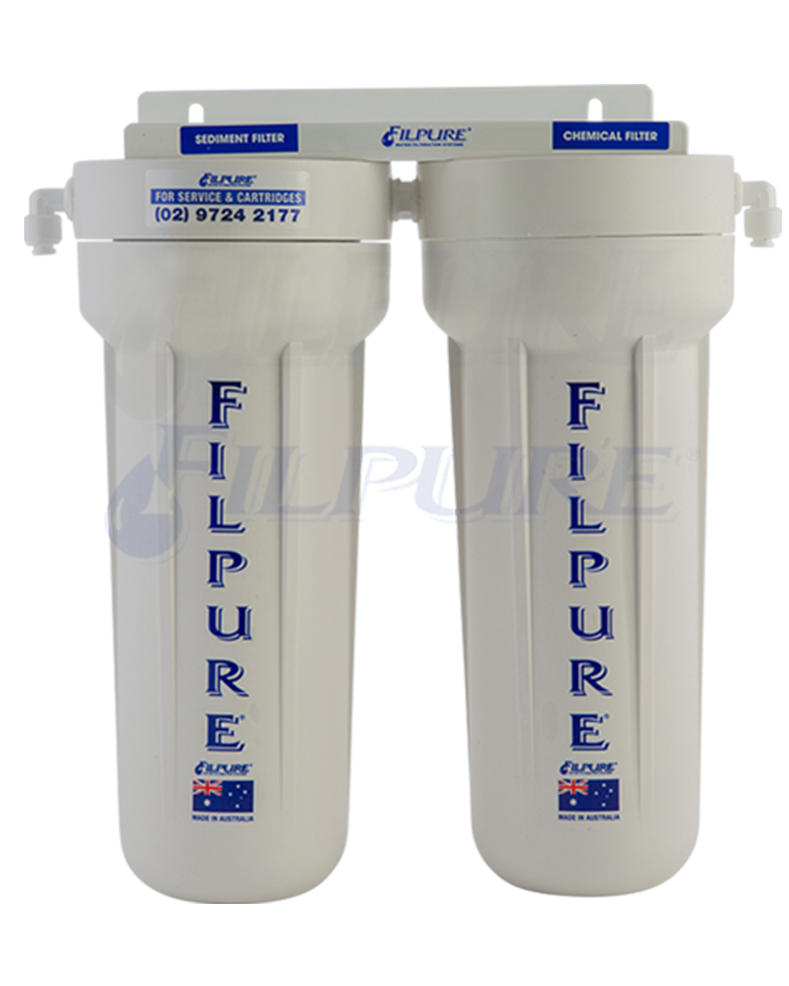
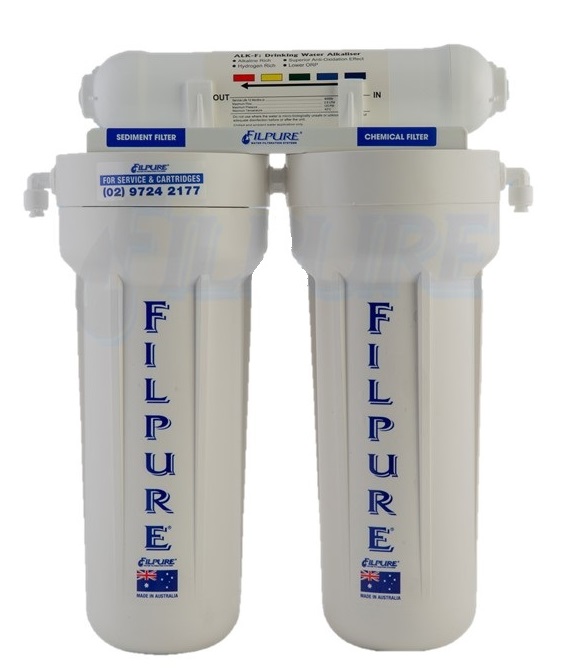
However, not all water filters are suitable for this purpose. General drinking water filters
are designed to improve taste and odour, not to meet the strict purity requirements of
sterilisation equipment.
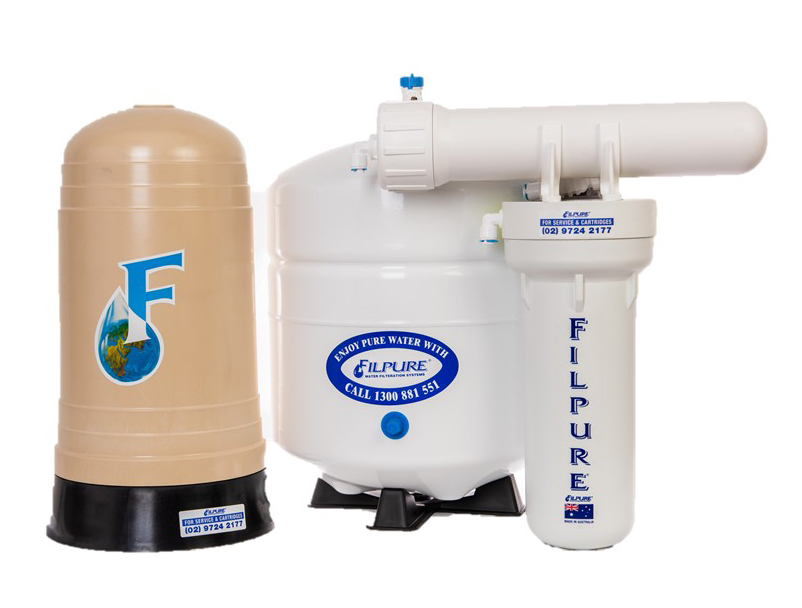
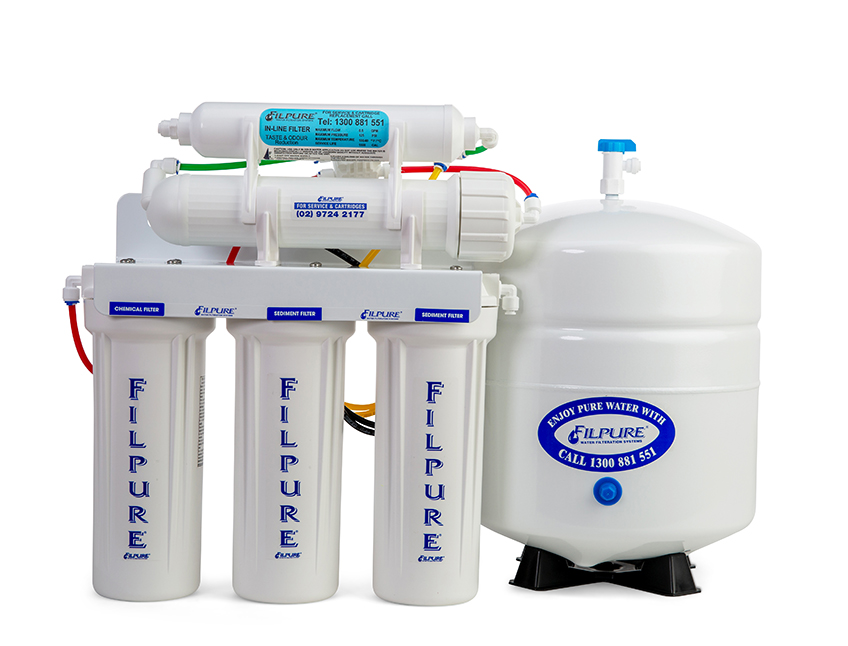
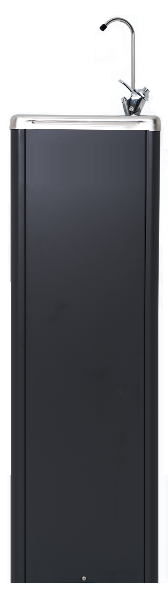
Filpure King Series Model F5. Designed for Dental Autoclave Water
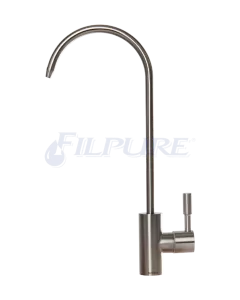
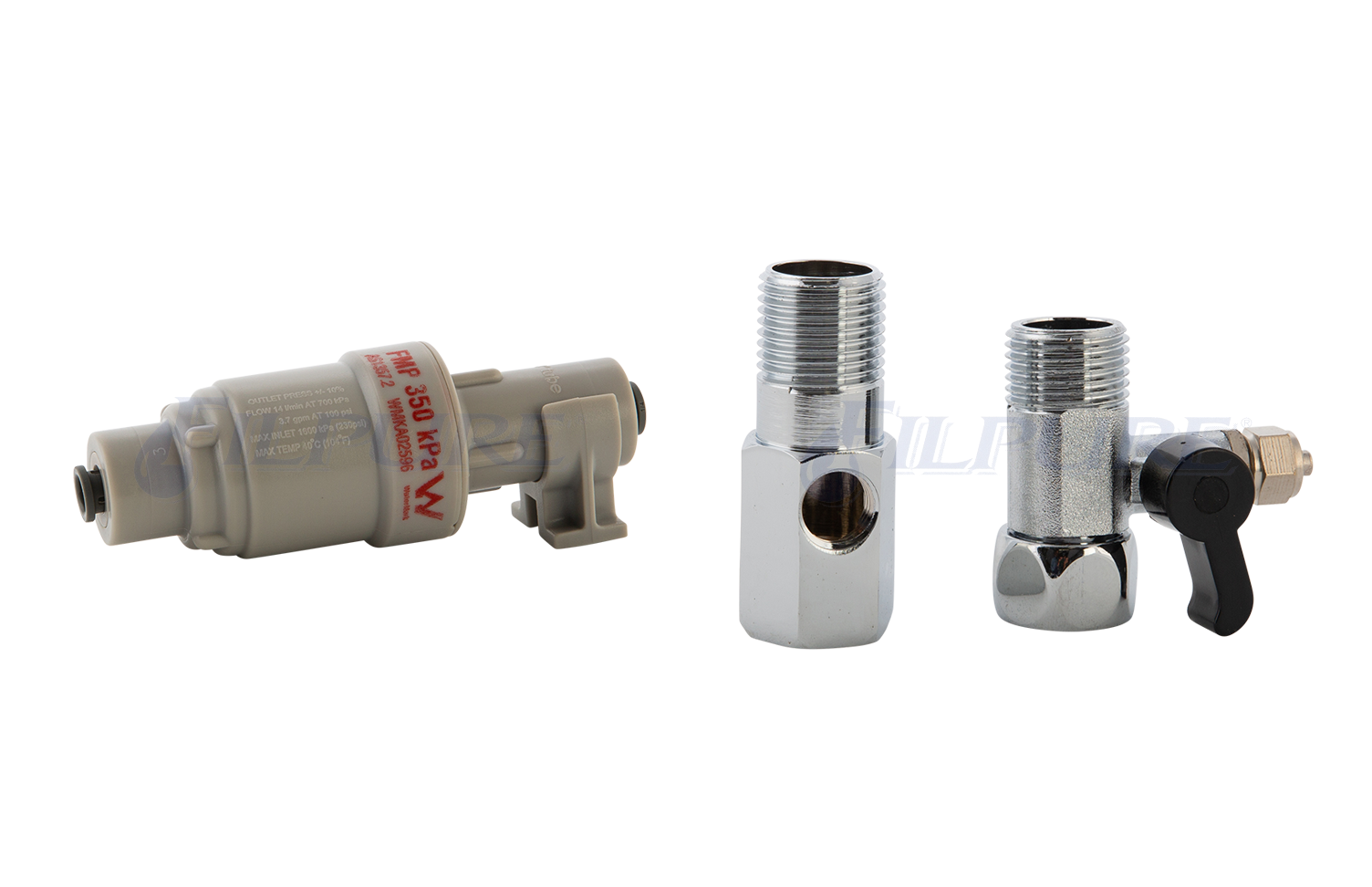
The Filpure King Series Model F5 is engineered as a professional-grade purification system
designed to supply high-purity water suitable for dental autoclaves when installed and
maintained correctly.
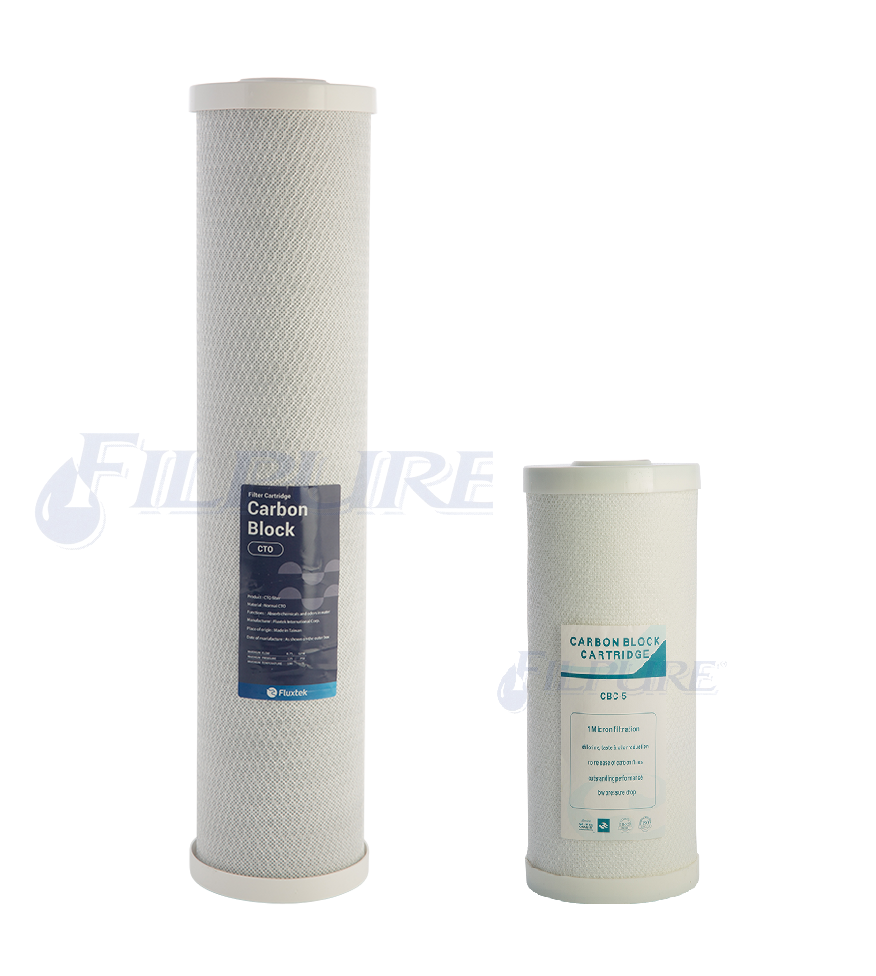
Unlike standard under-sink drinking water systems, the F5 uses a multi-stage purification
process specifically targeting the contaminants known to damage autoclaves.
Purification Objectives of the King Series Model F5
- Reduction of total dissolved solids
- Removal of minerals that cause scaling
- Chlorine and chloramine removal
- Heavy metal reduction
- Stable water chemistry for consistent steam generation
How Purified Water Protects Your Autoclave Investment
Autoclaves represent a significant investment for any dental practice. Using water that
meets manufacturer specifications helps protect that investment.
Long-Term Benefits for Dental Clinics
- Extended autoclave lifespan
- Reduced maintenance and repair costs
- More reliable sterilisation cycles
- Lower risk of failed compliance inspections
Many service technicians report that water quality is one of the leading causes of autoclave
failure in dental clinics.
Compliance and Infection Control in NSW Dental Practices
In New South Wales, dental clinics are expected to follow strict infection prevention and
control procedures. Supplying autoclaves with appropriate water quality supports compliance
with these expectations.
Using a purpose-designed autoclave water system demonstrates due diligence and commitment
to best practice standards.
Dental Autoclave Water in Sydney. Professional Support Matters
Selecting the right water purification system depends on the specific autoclave model and
its published water quality requirements. Professional guidance ensures the system is
correctly configured and installed.
Filpure is an Australian company based in Sydney, specialising in Manufacturing and professional water
purification solutions for clinical and commercial applications.
Final Thoughts
Water quality is not a minor detail in dental sterilisation. It is a critical factor that
directly affects autoclave performance, compliance, and operating costs.
For dental clinics in Sydney seeking a reliable, on-site solution for autoclave-grade water,
a system specifically engineered for this purpose can provide long-term operational and
financial benefits.