

Reverse Osmosis Water Filters Explained: How They Work, Benefits & Are They Worth It?
When researching ways to improve drinking water quality, one technology that frequently appears is reverse osmosis.
Known for its ability to reduce a wide range of dissolved substances, reverse osmosis has become a popular option for households seeking more comprehensive drinking water filtration.
However, understanding how it works, what it removes and whether it is suitable for your home is important before investing in a system.
Not every household needs advanced filtration, and the best choice depends on the characteristics of your water supply and what you want to achieve.
In this guide, Filpure explains how reverse osmosis water filters work, their main advantages, potential limitations and the factors worth considering before purchasing.
What Is a Reverse Osmosis Water Filter?
A reverse osmosis water filter is a filtration system that uses water pressure to push water through a specialised semi-permeable membrane.
The membrane allows water molecules to pass through while rejecting many dissolved substances.
These substances are carried away in a separate wastewater stream, while the treated water is collected for drinking and other household uses.
Unlike basic filters that primarily capture particles or improve taste, reverse osmosis is designed to reduce a broader range of dissolved impurities.
It is often used as part of a multi-stage filtration system that combines several treatment methods.
In simple terms, reverse osmosis separates many unwanted dissolved substances from drinking water using a specialised membrane.
The exact substances reduced and the level of treatment achieved depend on the system design, membrane performance and incoming water quality.
How Do Reverse Osmosis Water Filters Work?
Most residential reverse osmosis systems use several stages of filtration.
Although configurations differ between manufacturers, a typical system may include the following steps.
Stage 1: Sediment Filtration
Water first passes through a sediment filter designed to capture larger particles.
These may include dirt, rust particles and other suspended materials.
Removing sediment helps protect the components that follow and can reduce the likelihood of premature membrane fouling.
Stage 2: Carbon Filtration
The next stage often involves activated carbon filtration.
Carbon filters can reduce chlorine and certain other substances that affect taste and odour.
This stage is particularly important for reverse osmosis membranes that may be damaged by exposure to chlorine.
The suitability of the carbon stage depends on the incoming water and membrane requirements.
Stage 3: Reverse Osmosis Membrane
This is the central treatment stage.
Water is forced through the membrane, which separates many dissolved substances from the treated water.
The concentrated stream containing rejected substances is directed towards the drain.
The treated water continues through the system for storage or dispensing.
Stage 4: Post-Filtration
Some systems include a final carbon polishing filter.
This stage is designed to improve the taste of water before it reaches the drinking water tap.
Other systems may include remineralisation components, which add selected minerals back into the treated water.
The exact number of stages varies, and having more stages does not automatically mean a system performs better.
What Can Reverse Osmosis Remove From Water?
One of the main reasons people choose reverse osmosis is its ability to reduce many dissolved substances that basic filtration technologies may not effectively address.
Depending on the system and its tested performance, reverse osmosis may reduce:
- Dissolved salts and minerals
- Certain heavy metals
- Nitrates and some other dissolved contaminants
- Selected chemical compounds
- Some microorganisms, where the system is specifically designed and validated for that purpose
It is important not to assume that every reverse osmosis system removes every contaminant.
Performance depends on membrane design, system condition, water pressure, maintenance and the characteristics of the substance being treated.
If you are concerned about a particular contaminant, check the manufacturer’s verified reduction claims and relevant certification information.
For untreated or microbiologically unsafe water, reverse osmosis alone should not be assumed to provide adequate disinfection.
What Are the Main Benefits of Reverse Osmosis Water Filters?
1. Comprehensive Drinking Water Filtration
The biggest attraction of reverse osmosis is its ability to address a wider range of dissolved substances than many conventional drinking water filters.
For households with specific water quality concerns, this can make reverse osmosis a useful treatment option.
It is particularly worth considering when water testing identifies substances that a suitable reverse osmosis membrane can reduce.
2. Improved Taste and Drinking Experience
Some dissolved substances can influence the taste of water.
By reducing these substances, reverse osmosis may produce water with a different, often more neutral flavour.
Taste preferences vary, however, and some people prefer water containing a moderate level of naturally occurring minerals.
This is one reason certain systems include remineralisation stages.
3. Convenient Access to Filtered Drinking Water
Many residential reverse osmosis systems are installed beneath the kitchen sink.
Filtered water is then available through a dedicated tap or compatible dispensing arrangement.
This provides a convenient supply for drinking, cooking and preparing beverages without needing to refill a separate filtration jug.
4. Reduced Reliance on Bottled Water
Households that purchase bottled water because of taste preferences may find a suitable home filtration system more convenient.
Having treated water available directly from the kitchen can reduce the need to store and transport bottled water.
The potential savings depend on water consumption, the system’s purchase price and ongoing maintenance costs.
5. Multiple Filtration Technologies in One System
Reverse osmosis systems commonly combine sediment, carbon and membrane filtration.
Each stage performs a different role, creating a treatment process designed to address several water quality characteristics.
The combination can be useful when more than one type of treatment is required.
Are There Any Disadvantages to Reverse Osmosis?
Although reverse osmosis offers significant filtration capabilities, it is important to understand its practical limitations.
Water Wastage
Reverse osmosis produces a concentrated reject-water stream.
The amount of water sent to drain depends on the system’s efficiency, incoming water pressure and operating conditions.
Some modern designs use technologies intended to improve water recovery, but no household should assume that all reverse osmosis systems have the same efficiency.
Mineral Reduction
Reverse osmosis reduces many dissolved minerals alongside unwanted substances.
This can change the taste of the water.
For households that prefer mineral-containing drinking water, a system with an appropriate remineralisation stage may be worth considering.
Ongoing Maintenance
Pre-filters, post-filters and membranes require replacement according to the manufacturer’s instructions.
Neglecting maintenance can affect filtration performance and water quality.
Installation Requirements
Many systems require space beneath the sink, a suitable water connection and drainage.
Some also use storage tanks or electrical components.
Checking the installation requirements before purchasing helps avoid unexpected complications.
Reverse Osmosis vs Standard Water Filters: What’s the Difference?
| Feature | Standard carbon filtration | Reverse osmosis |
| Chlorine taste and odour | Commonly suitable | Commonly addressed through carbon pre-filtration |
| Sediment | Depends on filter design | Commonly includes sediment pre-filtration |
| Dissolved salts | Generally not reduced significantly | Can reduce many dissolved salts |
| Wastewater | Generally none during filtration | Usually produces a reject-water stream |
| Installation | Often simpler | Usually more involved |
| Maintenance | Cartridge replacement | Multiple components may require servicing |
The best option depends on the substances you want to reduce.
For households primarily concerned about chlorine-related taste and odour, a suitable carbon filter may meet their needs.
Where more extensive dissolved-substance reduction is required, reverse osmosis may be more appropriate.
For a broader comparison of filtration technologies, explore our complete guide to water filters.
Is Reverse Osmosis Water Safe to Drink?
Water produced by a properly designed and maintained reverse osmosis system can be suitable for drinking when the incoming supply and treatment process are appropriate.
However, suitability depends on the source water, system performance and whether any additional treatment is required.
Reverse osmosis should not automatically be treated as a substitute for disinfection when water is microbiologically unsafe.
It is also important to understand that removing minerals does not automatically make drinking water healthier.
For most people, dietary minerals come from a range of foods and beverages, and drinking water is only one potential source.
Choosing a system should be based on water quality needs rather than unsupported claims about mineral-free water.
How Much Maintenance Does a Reverse Osmosis System Need?
Maintenance requirements vary between systems.
Typical tasks may include replacing sediment and carbon filters, checking the membrane, sanitising components and inspecting connections.
Some systems include indicators or monitoring features that help identify when servicing may be required.
However, these should be used alongside the manufacturer’s maintenance schedule.
The frequency of replacement can be influenced by incoming water quality and household consumption.
Before purchasing, consider whether replacement cartridges and servicing information are readily available.
A system that is easy to maintain is more likely to deliver consistent performance over time.
How to Choose the Best Reverse Osmosis System for Your Home
Choosing the right system involves more than comparing the number of filtration stages.
Start by identifying the substances you want to reduce.
Then consider the following factors.
Filtration performance: Look for clear information about which substances the system has been tested to reduce.
Daily capacity: Make sure the system can produce enough treated water for your household.
Water efficiency: Compare the amount of treated water produced with the amount directed to drain.
Installation space: Check whether the system includes a storage tank and whether it fits beneath your sink.
Maintenance costs: Consider replacement cartridges, membranes and any recommended servicing.
Water taste: Decide whether you prefer a standard reverse osmosis system or one with remineralisation.
Product support: Choose a system with clear instructions and accessible replacement components.
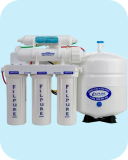
Filpure’s range of water filtration solutions provides a useful starting point when comparing options for your home.
Frequently Asked Questions About Reverse Osmosis
Is reverse osmosis better than a normal water filter?
Reverse osmosis can reduce many dissolved substances that standard carbon filters are not designed to remove. However, a simpler filter may be sufficient if your main concern is chlorine taste or odour.
Does reverse osmosis remove all contaminants?
No. Performance varies depending on the membrane, system design and contaminant. Always check verified product specifications for the substances you want to reduce.
Does reverse osmosis remove beneficial minerals?
Yes, reverse osmosis can reduce naturally occurring minerals such as calcium and magnesium. Some systems include remineralisation stages to adjust the mineral content of treated water.
Do reverse osmosis systems waste water?
Most systems produce wastewater as part of the filtration process. The volume varies between models and operating conditions.
Can reverse osmosis water be used for cooking?
Yes, appropriately treated reverse osmosis water can be used for cooking, making drinks and other food preparation activities.
Is reverse osmosis worth the investment?
It may be worthwhile when the system addresses a genuine water quality concern or provides the level of filtration you prefer. Consider installation, maintenance, water efficiency and verified treatment performance before purchasing.
Discover Whether Reverse Osmosis Is Right for Your Home
Reverse osmosis can be an effective drinking water filtration solution, particularly when a household wants to reduce specific dissolved substances.
However, the most suitable system is one that matches your water quality requirements and everyday usage.
By understanding how reverse osmosis works, comparing filtration performance and considering ongoing maintenance, you can make a more informed decision.
Filpure helps customers explore filtration technologies and identify practical solutions for their homes.
Explore your options today. Browse Filpure’s water filters to compare available filtration solutions and find a system suited to your needs.
Search
Blogs

Get Your Water Filter Today – Because Health Can’t Wait!
Prioritize your health — get your water filter today and start living a healthier life. Pure water in every sip, better living every day!
FROM THE AUTHOR