

The Ultimate Guide to Water Filters: Types, Benefits & How to Choose the Right System
Water is an essential part of everyday life. From the first glass you drink in the morning to the water you use for cooking, making coffee and preparing meals, having convenient access to quality drinking water makes a difference to your daily routine.
Although treated tap water is generally suitable for drinking when it meets applicable standards, many households choose to install water filters to improve taste, reduce certain unwanted substances and enjoy a more convenient drinking water experience.
With so many filtration systems available, choosing the right solution can feel overwhelming. Should you install a simple under-sink filter? Is reverse osmosis worth considering? Would a whole-home filtration system be a better investment?
The answer depends on your water supply, household needs, lifestyle and personal preferences.
In this comprehensive guide, Filpure explores the different types of water filtration systems, how they work, their advantages and the important factors to consider before making a purchase.
What Are Water Filters and How Do They Work?
Water filters are systems designed to improve water quality by reducing specific impurities, particles, chemicals or other unwanted substances as water passes through a filtration medium.
Different technologies target different substances. Some focus on improving taste and odour, while others use more advanced processes to reduce dissolved minerals or particular contaminants.
For example, activated carbon filtration is commonly used to reduce chlorine-related taste and odour, while reverse osmosis systems use a specialised membrane to separate many dissolved substances from water.
Not every system removes the same substances, and no single filter is suitable for every water quality concern.
The most effective approach is to choose a filtration system based on what you want to improve about your water.
This might include better-tasting drinking water, greater convenience, filtration at multiple household outlets or more comprehensive treatment for a particular water quality issue.
Why Do People Install Water Filters?
Installing a water filtration system is about more than simply changing how water tastes. For many households, it is a practical upgrade that improves everyday convenience and provides greater control over their drinking water.
1. Improve Drinking Water Taste and Smell
One of the most common reasons people explore filtration is to improve the taste or smell of their tap water.
Depending on the water supply, treatment processes and plumbing, some people notice a chlorine-like taste, an unusual odour or other characteristics they would prefer to reduce.
A suitable filtration system can improve the sensory qualities of drinking water, making it more enjoyable for drinking, cooking and preparing beverages.
2. Reduce Specific Unwanted Substances
Different filtration technologies can reduce different substances found in water.
Depending on the system and its tested performance, these may include sediment, chlorine, certain dissolved substances and selected contaminants.
However, it is important to understand that filtration performance varies between products.
A system that improves taste does not necessarily remove dissolved salts, microorganisms or every potential contaminant.
Before choosing a filter, check the manufacturer’s performance information and confirm that it is suitable for your specific concerns.
3. Enjoy Convenient Access to Filtered Water
Having filtered water available directly from a kitchen tap or dedicated dispenser can make everyday routines easier.
Rather than relying on water jugs or purchasing bottled water, households can enjoy filtered water on demand.
Some advanced systems can also provide chilled, boiling or sparkling water, combining filtration with additional kitchen convenience.
4. Reduce Reliance on Bottled Water
For households that regularly purchase bottled water for taste or convenience, installing a suitable filtration system may reduce the need for single-use plastic bottles.
Reusable drink bottles can be filled at home, while filtered water remains accessible throughout the day.
The potential financial and environmental benefits depend on the system, maintenance requirements and the amount of bottled water being replaced.
5. Create a More Convenient Kitchen
Modern filtration systems can integrate into kitchen spaces without requiring a separate countertop appliance.
Under-sink systems, dedicated filtered-water taps and multifunction dispensers offer different installation options.
For households planning a kitchen renovation or looking to simplify their benchtops, choosing a suitable water filtration solution can be a worthwhile consideration.
What Are the Different Types of Water Filters?
There are several common types of filtration systems, each designed for different applications.
Understanding these differences is the first step towards choosing a solution that suits your home.
1. Under-Sink Water Filters
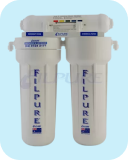
Under-sink filtration systems are installed beneath the kitchen sink and connect to the household water supply.
They provide filtered water through either a dedicated drinking water tap or a compatible existing tap.
Because the filtration components remain hidden inside the cabinetry, these systems are a popular option for households wanting a tidy kitchen.
Benefits of Under-Sink Filtration
- Convenient access to filtered drinking water
- Minimal impact on kitchen benchtop space
- Different filtration technologies available
- Suitable for many established kitchens
- Replacement filters can be maintained as required
Under-sink systems are particularly appealing for households primarily concerned with the quality and taste of water used for drinking and cooking.
However, the available space beneath the sink, plumbing configuration and filter replacement requirements should be considered before installation.
2. Reverse Osmosis Water Filters
Reverse osmosis is a filtration process that uses a specialised membrane to separate many dissolved substances from water.
Unlike basic sediment filtration, reverse osmosis can reduce a broader range of dissolved impurities, depending on the membrane and system configuration.
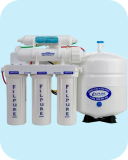
A typical system may include sediment pre-filtration, carbon filtration, a reverse osmosis membrane and a final polishing stage.
Why Choose Reverse Osmosis?
Reverse osmosis may be suitable for households looking for more comprehensive drinking water treatment.
Potential advantages include:
- Reduction of many dissolved substances
- Improved drinking water taste where unwanted substances affect flavour
- Multiple filtration stages
- A dedicated drinking water solution
- Options for different household requirements
There are also practical considerations.
Reverse osmosis systems generally produce wastewater during filtration, require periodic maintenance and may reduce beneficial minerals alongside unwanted dissolved substances.
Some systems include remineralisation stages to adjust the taste or mineral content of the treated water.
For a more detailed explanation, read our guide to reverse osmosis water filters.
3. Whole House Water Filters
Whole-home filtration systems are generally installed near the property’s main water supply entry point.
Instead of filtering water at just one tap, they treat water before it reaches multiple outlets throughout the home.
Depending on the filtration technology, these systems may help reduce sediment, chlorine or other targeted substances.
Advantages of Whole-Home Filtration
A suitable whole-home system can provide:
- Filtration at multiple household outlets
- Reduced sediment entering downstream plumbing
- Improved water characteristics for bathing and washing
- A centralised filtration solution
- Less need for separate filters at individual outlets
It is important to remember that whole-home filtration and water softening are not necessarily the same thing.
If hard water is your main concern, you may need a dedicated softening or scale-treatment solution rather than a standard sediment or carbon filter.
Discover more in our guide to whole house water filters.
4. Boiling, Chilled and Sparkling Water Systems
Modern kitchen water systems can provide more than conventional filtered drinking water.
Some systems combine filtration with the ability to dispense boiling, chilled and sparkling water directly from a dedicated tap.
This makes them appealing to households that value convenience, entertaining and streamlined kitchen design.
Everyday Benefits
Boiling water can be useful for preparing tea, coffee and other hot beverages.
Chilled water provides a convenient alternative to keeping bottles or jugs in the refrigerator.
Sparkling water offers another drinking option without needing to purchase individual bottles.
Not every system includes all three functions, so it is important to compare the available configurations.
Read our detailed guide to boiling, chilled and sparkling water filters to explore how these systems work.
5. Countertop and Portable Water Filters
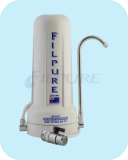
Countertop systems offer another option for households wanting filtered water without extensive plumbing modifications.
Depending on the design, these may connect directly to a tap or operate as standalone units.
Portable filter jugs are also available for smaller households or people wanting a simple introduction to filtration.
These solutions can be practical, although their filtration capacity, replacement requirements and convenience may differ from permanently installed systems.
Comparing Different Water Filtration Systems
Choosing between systems becomes easier when you understand what each one is designed to achieve.
| Filter type | Primary purpose | Best suited to |
| Under-sink | Filter water at a kitchen outlet | Everyday drinking and cooking |
| Reverse osmosis | Reduce many dissolved substances | More comprehensive drinking water filtration |
| Whole house | Treat water at the main entry point | Multiple household outlets |
| Boiling, chilled and sparkling | Combine filtration and dispensing | Kitchen convenience |
| Countertop | Provide accessible point-of-use filtration | Smaller spaces or flexible setups |
The best choice is not necessarily the most expensive or technologically advanced system.
It is the one that addresses your water quality concerns while fitting your household requirements.
How to Choose the Right Water Filter for Your Home
Before purchasing a filtration system, it helps to consider several practical factors.
Understand Your Water Supply
Start by identifying where your water comes from and what you want to change.
Is the main concern taste? Are you noticing visible sediment? Do you want to reduce a specific substance?
Water supplied through a municipal network may have different characteristics from rainwater, bore water or other private supplies.
If you suspect a particular contaminant, appropriate water testing can help determine which treatment technology is required.
This is especially important for untreated or private water supplies, where a basic taste-and-odour filter may not provide adequate treatment.
Decide Where You Need Filtered Water
Consider whether you only need filtration for drinking and cooking or would prefer water treatment throughout the home.
A kitchen filtration system may be sufficient for households focused on drinking water.
However, households concerned about sediment or particular water characteristics across multiple outlets may benefit from investigating a whole-home solution.
Consider Household Water Usage
The number of people in your household and your typical water consumption can influence the type and capacity of system required.
A smaller household may have different needs from a large family with multiple bathrooms and high daily water usage.
When comparing products, consider rated flow rate, filtration capacity and whether the system can meet expected demand.
Review Installation Requirements
Some filtration systems are relatively straightforward to install, while others require professional plumbing work or additional space.
Check whether the system needs:
- Space beneath the sink or in a service area
- Access to a suitable water connection
- A drainage connection
- Electrical power
- A dedicated tap or dispenser
Installation requirements should always be confirmed for the selected product.
Understand Ongoing Maintenance
Every filtration system requires some level of ongoing care.
This may involve replacing filter cartridges, changing membranes, sanitising components or arranging periodic servicing.
Replacement intervals vary depending on the manufacturer, water quality and usage.
Choosing a system with accessible replacement components and clear maintenance instructions can make long-term ownership easier.
Are Expensive Water Filters Better?
A higher purchase price does not automatically mean a system will provide better filtration for your particular needs.
Some systems cost more because they offer additional features such as temperature control, sparkling water dispensing, greater capacity or multiple treatment stages.
Others may include advanced filtration technology designed to address particular water quality concerns.
When comparing products, focus on the value the system provides rather than price alone.
Ask whether the filtration technology addresses your concerns, whether its performance is independently verified where relevant and whether the ongoing maintenance costs are reasonable.
A well-matched system can be more useful than a premium product that includes features you do not need.
How Often Should Water Filters Be Replaced?
Replacement frequency depends on the system, cartridge design, water quality and usage.
Some cartridges are designed for replacement after a specified number of months, while others have a rated water capacity.
Reverse osmosis systems may have separate replacement schedules for pre-filters, membranes and polishing filters.
It is important to follow the manufacturer’s maintenance instructions rather than relying solely on how the water tastes.
A filter may continue to pass water even after its intended service life has been reached.
Maintaining the system correctly helps preserve its intended performance and supports consistent water quality.
Common Mistakes to Avoid When Buying Water Filters
One common mistake is assuming that all filtration systems remove the same contaminants.
Another is purchasing a system based solely on appearance or price without checking installation and maintenance requirements.
Households should also avoid overlooking flow rate, available space and the suitability of a system for their water supply.
Finally, it is worth considering the long-term cost of replacement filters.
A system with a relatively low purchase price may have ongoing costs that make another option more suitable over time.
Taking these factors into account helps you make a more informed purchasing decision.
Frequently Asked Questions About Water Filters
What is the best water filter for home use?
The best system depends on your water quality, household size and filtration goals. Under-sink systems are useful for drinking water, reverse osmosis targets many dissolved substances, and whole-home systems treat water at multiple outlets.
Do water filters remove chlorine?
Many activated carbon filters are designed to reduce chlorine-related taste and odour. The degree of reduction depends on the product, its tested performance and the condition of the filter.
Is filtered water better than tap water?
Filtered water may taste better and may contain lower levels of substances targeted by the filter. However, compliant treated tap water is generally suitable for drinking, and additional filtration is not always necessary.
Can water filters remove bacteria?
Some specialised systems can reduce or inactivate certain microorganisms, but standard sediment and carbon filters should not be assumed to make microbiologically unsafe water safe to drink. Appropriate treatment and testing are important.
Do water filtration systems require electricity?
Many basic filtration systems operate using water pressure and do not require electricity. Systems offering chilled, boiling or sparkling water generally require electrical power for their additional functions.
Can I install a water filter myself?
Installation requirements vary. Some countertop products are designed for simple setup, while under-sink and whole-home systems may require a licensed plumber and must comply with applicable plumbing requirements.
Is reverse osmosis necessary for every household?
No. Reverse osmosis can be useful when its treatment capabilities match a household’s water quality concerns. For people primarily wanting improved taste, a suitable carbon-based system may be sufficient.
Find the Right Water Filtration Solution with Filpure
Choosing the right filtration system starts with understanding what matters most to your household.
Whether you want better-tasting drinking water, a convenient kitchen dispenser, a more comprehensive reverse osmosis solution or filtration across your entire home, there are different technologies available to suit different needs.
Filpure helps customers explore water filtration options and compare solutions based on their requirements.
Rather than choosing a system based on features alone, consider your water supply, desired filtration performance, installation requirements and ongoing maintenance.
Ready to explore your options? Contact Filpure to browse water filters collection and discover a solution suited to your home and everyday routine.
Search
Blogs

Get Your Water Filter Today – Because Health Can’t Wait!
Prioritize your health — get your water filter today and start living a healthier life. Pure water in every sip, better living every day!
FROM THE AUTHOR